

筑波大学学生が台湾の防災機関NCDR主催の国際ワークショップに参加しました University of Tsukuba Student Participates in International Workshop Hosted by Taiwan’s NCDR
本コンソーシアム参画機関である台湾のNational Science and Technology Center for Disaster Reduction(NCDR)が主催する2025年国際トレーニングワークショップ(ITW:2025年10月27日~11月1日)に、筑波大学リスク・レジリエンス工学学位プログラムのSamuel Sanjaya氏(博士前期課程)が参加しました。
今年のITWのテーマは「防災リスク軽減のイノベーション:AI時代におけるデジタル防災ガバナンス」 。
急速に進化する人工知能(AI)を防災分野でどう活用するか、その可能性や課題について、世界各国から集まった参加者と活発な議論が行われました。ワークショップでは、AIを活用した早期警戒システムや緊急対応、IoTとの連携、防災教育にゲーム要素を取り入れる新しいアプローチなど、さまざまな革新的な事例が紹介されました。
参加したSanjaya氏からは次のようなコメントをいただきました。
「今回のワークショップでは、AIの進化や防災分野での役割について幅広く学ぶことができました。特に印象的だったのは、無料のマルチモーダルAIモデルが有料モデルを上回る可能性を示した事例で、コストを抑えながら高性能なAIを活用できる未来を感じました。
また、AIとIoTを組み合わせる際には、強固なセキュリティ対策が欠かせないことを改めて認識しました。さらに、防災教育や気候変動対策におけるAIのユニークな活用事例に触れ、専門技術を誰もが使いやすい形にする工夫の大切さを実感しました。
今回の経験は、次世代の防災システムに必要な「サイバーセキュリティ」「包括性」「創造性」を考える貴重な機会となりました。」
NCDRの皆様には、貴重な機会をご提供いただき、心より感謝申し上げます。
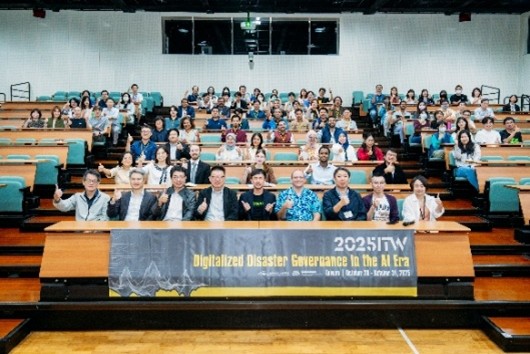
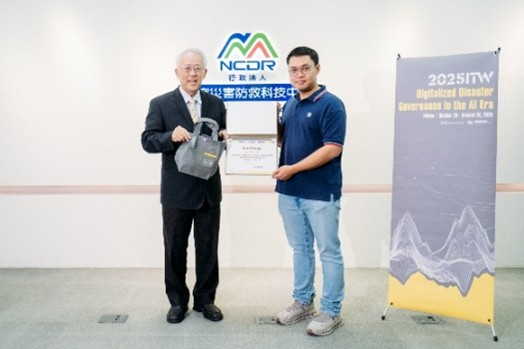
Mr. Samuel Sanjaya, a master’s student in the Risk and Resilience Engineering Program at the University of Tsukuba, participated in the 2025 International Training Workshop (ITW) organized by the National Science and Technology Center for Disaster Reduction (NCDR), Taiwan, held from October 27 to November 1, 2025.
This year’s ITW theme was “Disaster Risk Reduction Innovation: Digitalized Disaster Governance in the AI Era.”
The workshop gathered participants from around the world to discuss how rapidly evolving artificial intelligence (AI) can be applied in disaster risk reduction, exploring its potential and challenges. Sessions featured innovative examples such as AI-driven early warning systems, emergency response mechanisms, IoT integration, and gamification for disaster education.
Mr. Sanjaya shared his reflections:
“The workshop allowed me to gain a broad understanding of AI’s role in disaster management. I was particularly impressed by a case showing that free-tier multimodal AI models can outperform paid single-model systems, highlighting the potential for cost-effective AI solutions. I also realized that robust cybersecurity measures are essential when integrating AI and IoT technologies. Furthermore, creative applications of AI in disaster education and climate change initiatives inspired me to think about how technical solutions can be made more accessible to the public. This experience emphasized the importance of cybersecurity, inclusivity, and creativity in designing next-generation disaster management systems.”
We sincerely thank NCDR for providing this valuable opportunity!