

参画機関による講義を実施(筑波大学大学院「リスク・レジリエンス工学概論」) Lecture on “Introduction to Risk and Resilience Engineering” Conducted with Support from a Consortium Member
筑波大学大学院リスク・レジリエンス工学学位プログラムでは、コンソーシアム参画機関との連携により、講義「リスク・レジリエンス工学概論」を開設しています。
本講義では、コンソーシアム参画機関に所属する第一線の専門家が、オムニバス形式でリスク・レジリエンス分野の最新トピックについて講義を行っています。
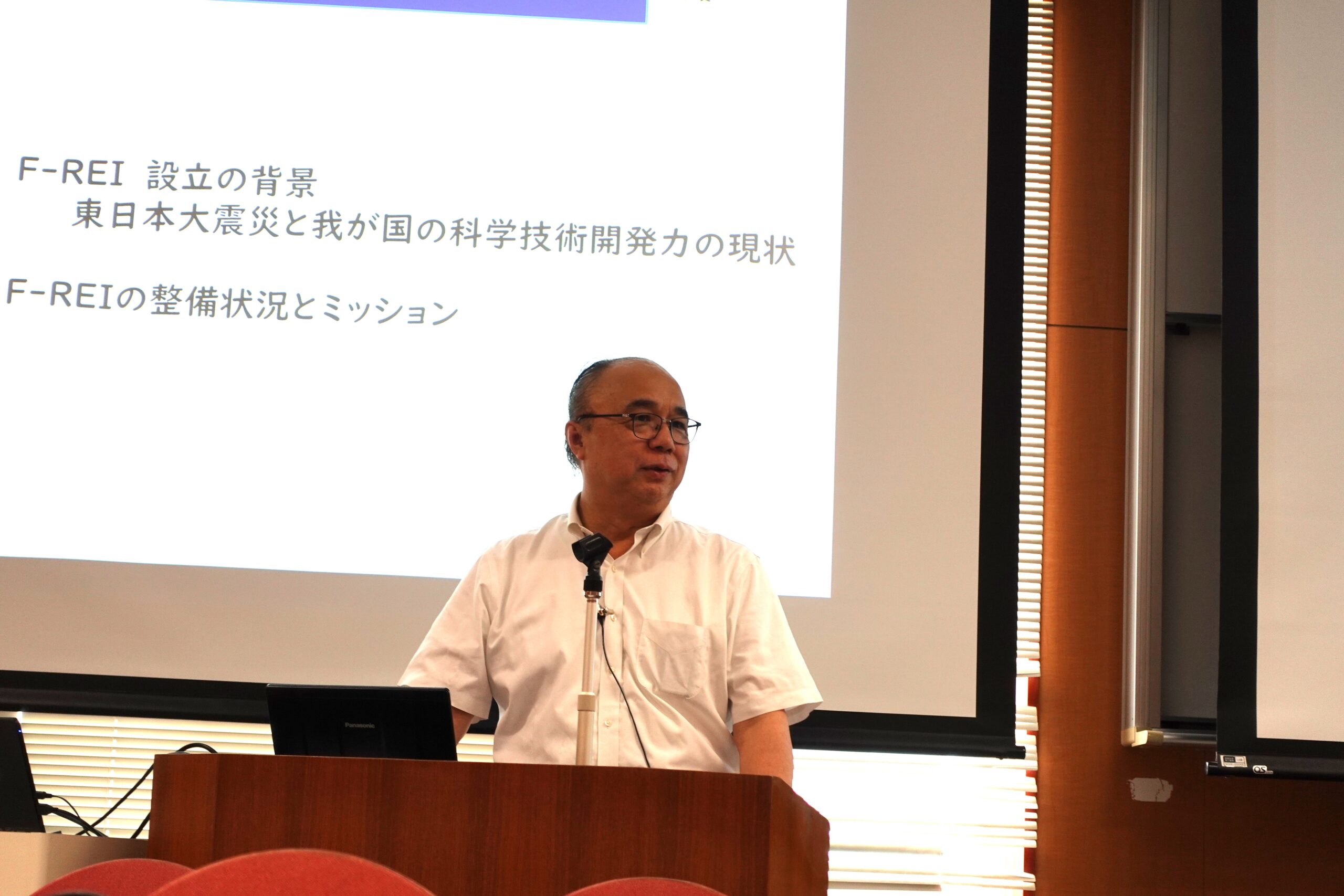
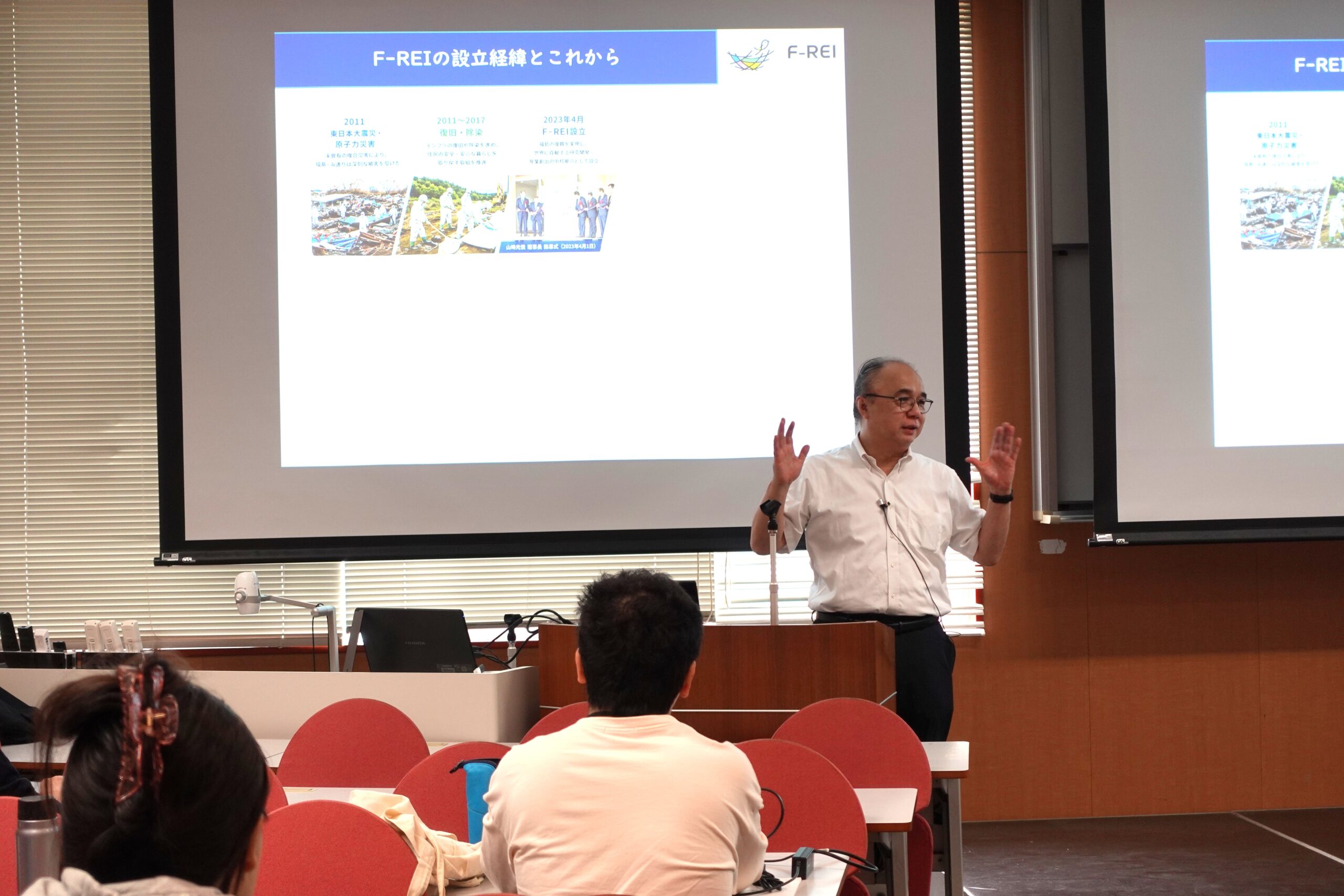
6月15日には、昨年よりコンソーシアムに参画した福島国際研究教育機構(F-REI)の大和田祐二先生に、「東日本大震災からの創造的復興の中核拠点F-REI」と題してご講義いただきました。
F-REIは、東日本大震災という世界でも類を見ない複合的な災害を経験した福島において、日本を代表する世界水準の研究拠点を構築し、「創造的復興の中核拠点」として、福島および世界の課題解決や産業創生につながる研究に取り組んでいます。
講義では、設立の経緯に加え、ロボット・エネルギー・農林水産業など重点分野における今後の研究の方向性や人材育成に関する構想について、詳しくご説明いただきました。
世界をリードする研究教育拠点を目指しながら、地域における交流やコミュニティの復興にも積極的に取り組まれている点が非常に印象的でした。
また、F-REIの人材育成の取り組みの一環として、本コンソーシアムが推進する「協働大学院」をはじめとする大学との連携枠組みを活用し、将来的にはF-REIでの研究を通じて学位を取得できる仕組みの構想も紹介いただきました。
今回のお話は、本コンソーシアムにとっても大変示唆に富むものであり、今後の連携の広がりが期待されます。
このたびご講義いただきました大和田先生に、この場を借りて厚く御礼申し上げます。
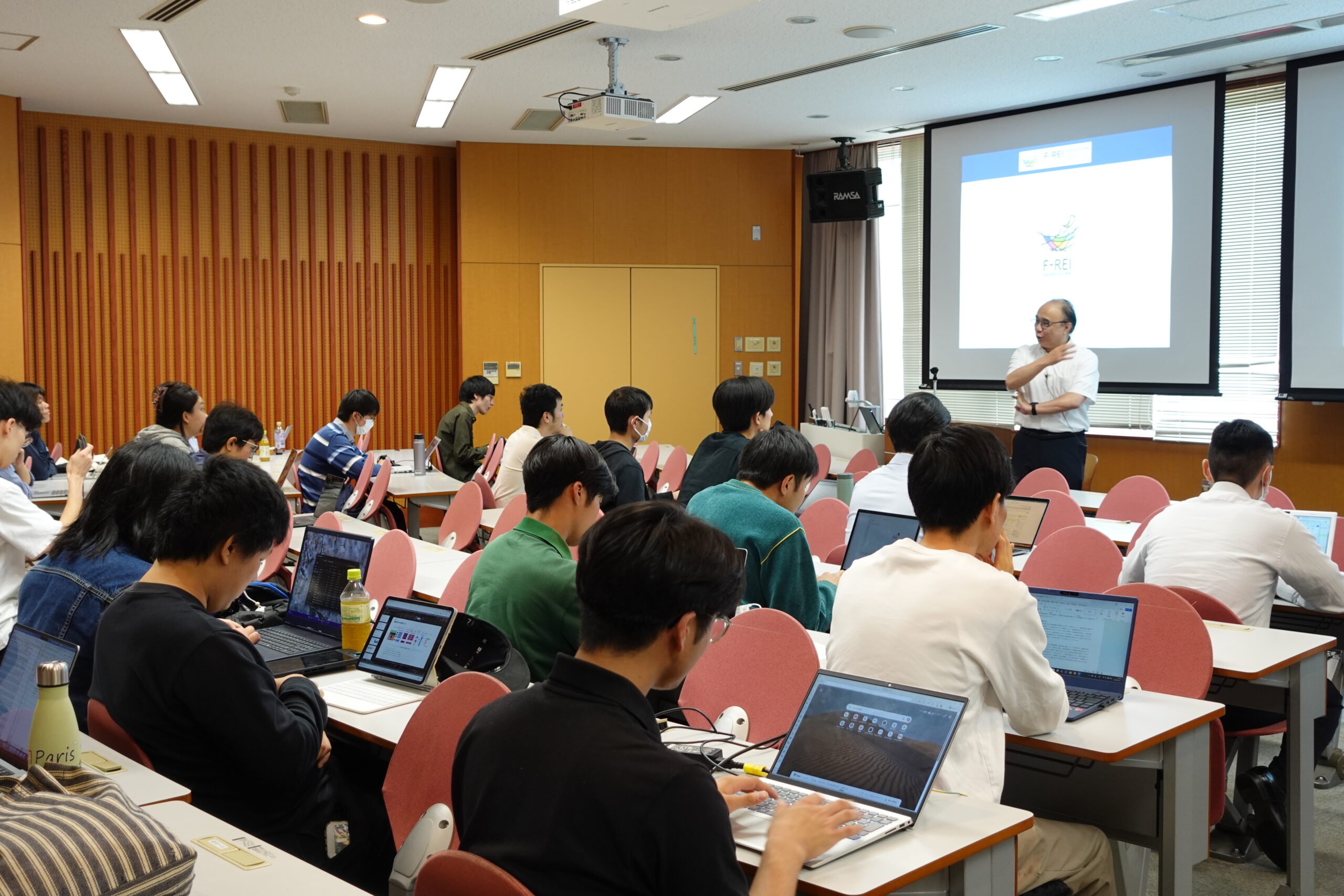
The Master’s and Doctoral Programs in Risk and Resilience Engineering at the University of Tsukuba offers the course “Introduction to Risk and Resilience Engineering” in collaboration with consortium member institutions.
In this course, leading experts from these partner institutions deliver lectures on the latest topics in the field of risk and resilience through an omnibus format.
On June 15, Dr. Yuji Owada from the Fukushima Institute for Research, Education and Innovation (F-REI), which joined the consortium last year, delivered a lecture titled “F-REI: A Core Hub for Creative Reconstruction from the Great East Japan Earthquake.”
F-REI is working to establish a world-class research center in Fukushima, a region that experienced the unprecedented and complex disaster of the Great East Japan Earthquake. As a “core hub for creative reconstruction,” it promotes research that contributes to solving challenges in Fukushima and around the world, as well as to industrial innovation.
In his lecture, Dr. Owada provided a detailed overview of the institute’s background and discussed future research directions in priority areas such as robotics, energy, and agriculture, forestry, and fisheries, along with its vision for human resource development.
It was particularly impressive to learn how F-REI is actively engaged not only in global initiatives but also in fostering local interaction and revitalizing communities.
As part of its efforts in human resource development, Dr. Owada also introduced a future vision in which collaboration frameworks with universities—including the “Collaborative Graduate Program” promoted by this consortium—will enable students to earn degrees through research conducted at F-REI.
The lecture offered valuable insights for our consortium, and we look forward to further strengthening our collaboration in the future.
We would like to take this opportunity to express our sincere appreciation to Dr. Owada for his insightful lecture.