

「防災減災連携研究ハブ(JHoP)公開シンポジウム」に参加しました JHoP Public Symposium Held
8月26日(火)、日本学術会議講堂において、公開シンポジウム「分野横断を活性化する『防災減災連携研究ハブ(JHoP)』が目指す持続可能でレジリエントな社会」が開催されました。
本シンポジウムでは、JHoPの参画組織がそれぞれの取組や実践を紹介するとともに、日本学術会議提言「壊滅的災害が想定されるメガシティの防災力強化に向けた科学技術イノベーション」を踏まえ、提言の実現に向けた議論が行われました。
レジリエンス研究教育推進コンソーシアム(R2EC)からは、岡島敬一副会長が第3セッション「都市防災の担い手×人材育成と教育体制強化」に登壇し、コンソーシアムが推進する「協働大学院」による人材育成の取組について紹介しました。
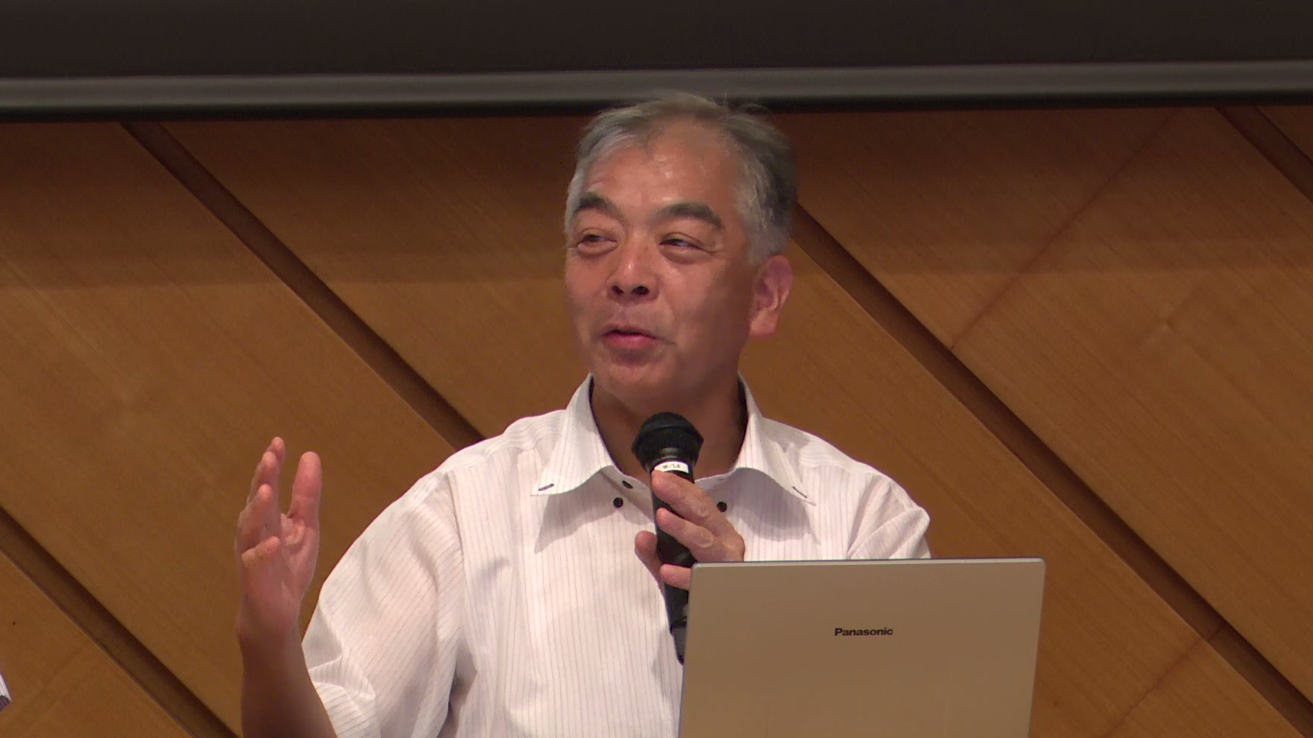
続くパネルディスカッションでは、田村圭子先生(新潟大学)のファシリテーションのもと、
提言11「災害の全体像を理解できる分野横断型の教育を推進する」
提言12「防災学習にインセンティブがある社会システムを構築する」
に触れながら、
・若い世代、とりわけリーダーシップを発揮できる人材をどのように育てていくか
・防災・減災に関する取組への社会の理解をどのように広げていくか
などについて議論が行われました。
分野横断型教育を実践する立場、専門教育を基盤としながら分野横断型教育に取り組む立場など、さまざまな背景を持つパネラーがそれぞれの視点から意見を交わし、活発な議論が展開されました。
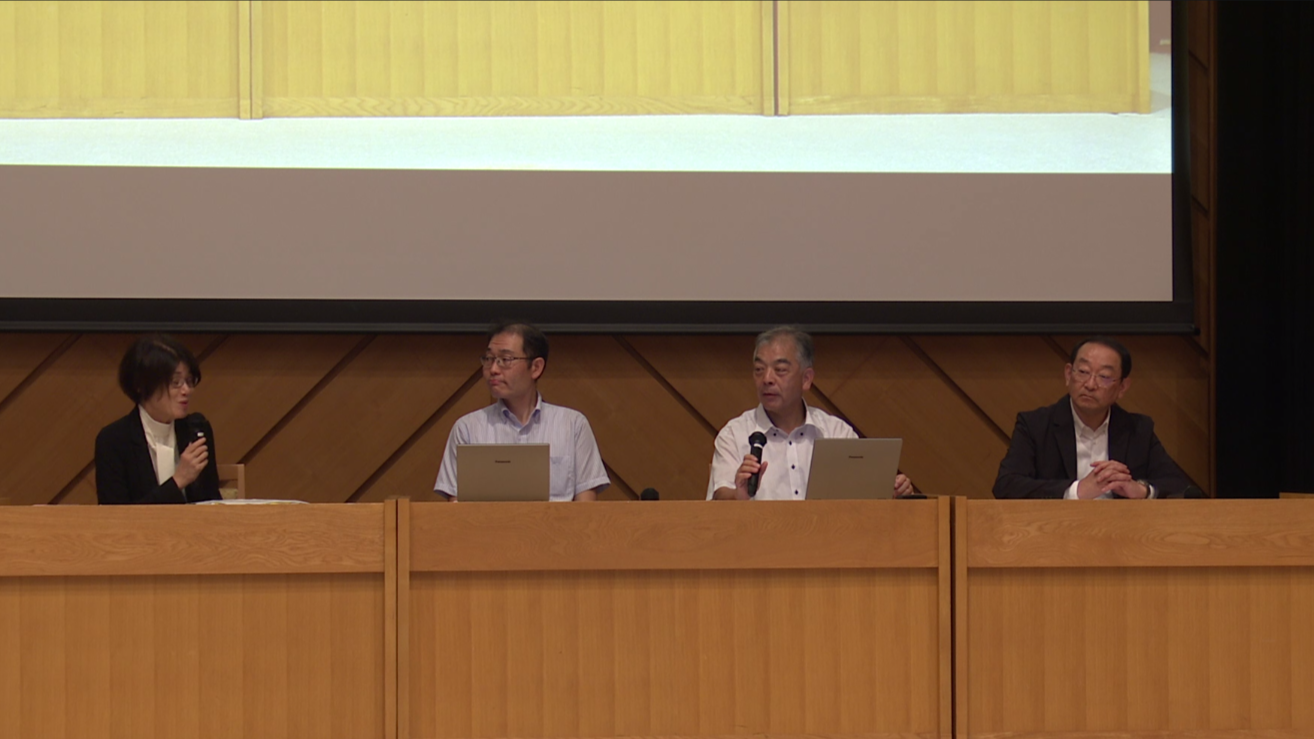
また、シンポジウム全体を通じて、人材育成に加えて、政策形成、防災情報の発信・流通、産学官民連携など幅広いテーマが取り上げられました。
各組織からの話題提供を通じて、参加者にとってJHoPの活動やそれぞれの取組への理解が深まるとともに、提言内容の実現に向けて、今後どのような連携や取組が可能かを考える貴重な機会となりました。
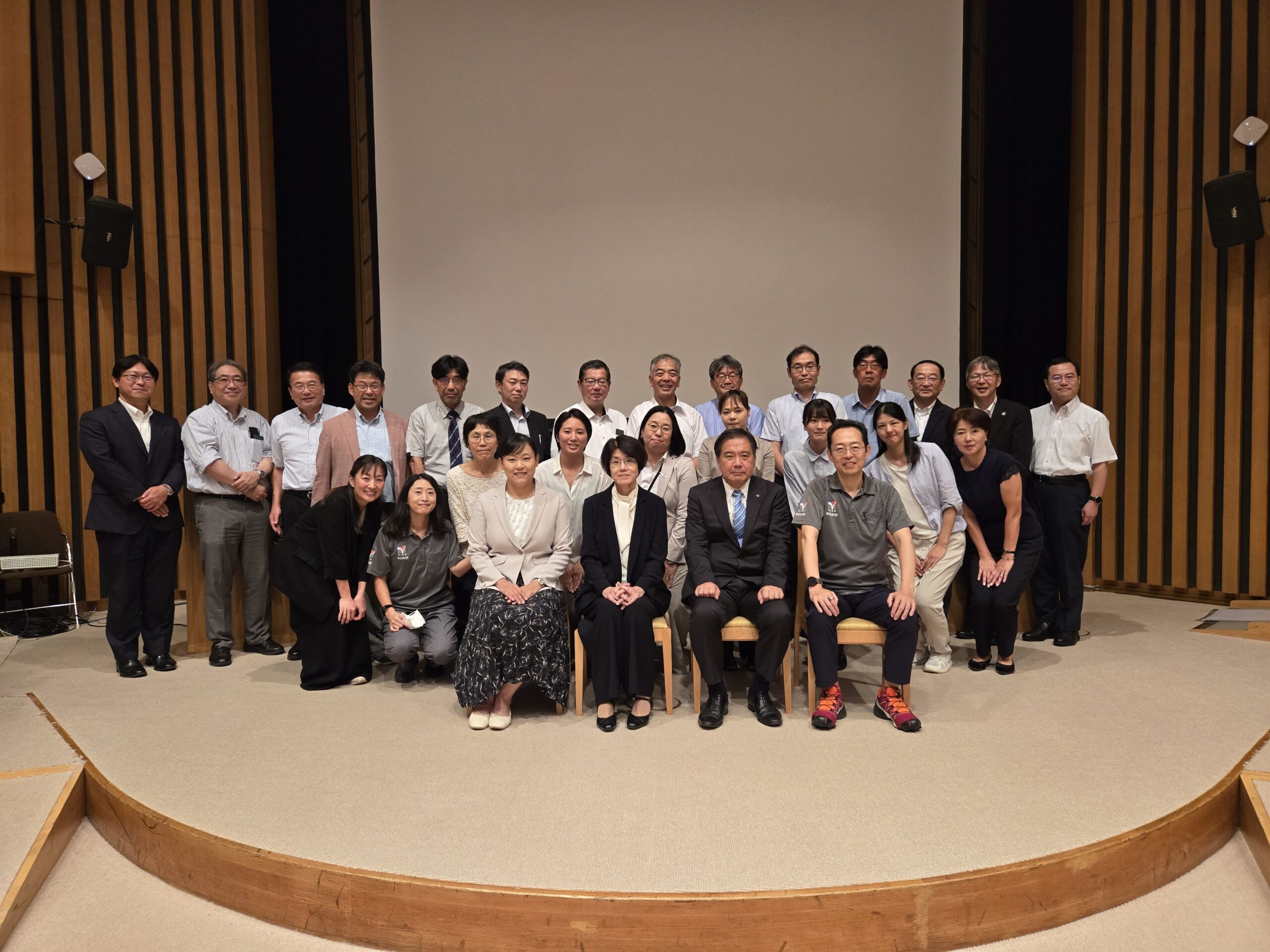
On August 26, a public symposium entitled “Toward a Sustainable and Resilient Society through the Japan Hub of Disaster Resilience Partner (JHoP): Promoting Interdisciplinary Collaboration” was held at the Auditorium of the Science Council of Japan.
The symposium provided an opportunity for organizations participating in JHoP to introduce their initiatives and practical activities. Discussions were also held on how to realize the recommendations outlined in the Science Council of Japan's report, “Science and Technology Innovation for Strengthening Disaster Resilience in Megacities Facing Catastrophic Risks.”
Representing the Resilience Research and Education Promotion Consortium (R2EC), Vice President Keiichi Okajima participated in Session 3, “Human Resources for Urban Disaster Resilience: Capacity Development and Strengthening Educational Systems.” During the session, he introduced the Consortium’s efforts in human resource development through its Collaborative Graduate School initiative.
The panel discussion that followed was moderated by Professor Keiko Tamura of Niigata University. Referring to Recommendation 11, “Promote interdisciplinary education that enables learners to understand the full spectrum of disasters,” and Recommendation 12, “Develop social systems that provide incentives for disaster risk reduction learning,” panelists discussed topics such as:
how to nurture younger generations, particularly those capable of demonstrating leadership; and
how to broaden public understanding of disaster risk reduction initiatives.
Panelists from diverse professional backgrounds, including practitioners of interdisciplinary education and educators working to integrate interdisciplinary approaches into specialized academic programs, exchanged perspectives based on their respective experiences. The discussion was lively and thought-provoking.
Throughout the symposium, a wide range of topics were explored in addition to human resource development, including policymaking, disaster information dissemination and circulation, and collaboration among academia, industry, government, and civil society.
Presentations by the participating organizations helped deepen participants’ understanding of JHoP and the activities undertaken by each organization. The symposium also provided a valuable opportunity to consider what forms of collaboration and future initiatives may contribute to implementing the recommendations and advancing a sustainable and resilient society.